
Samsung Natural

Stem Cells

The regenerative foundation of future medicine

A stem cell is a single cell with the unusual ability to produce many other kinds of cells, which means it can regenerate damaged parts of the body.

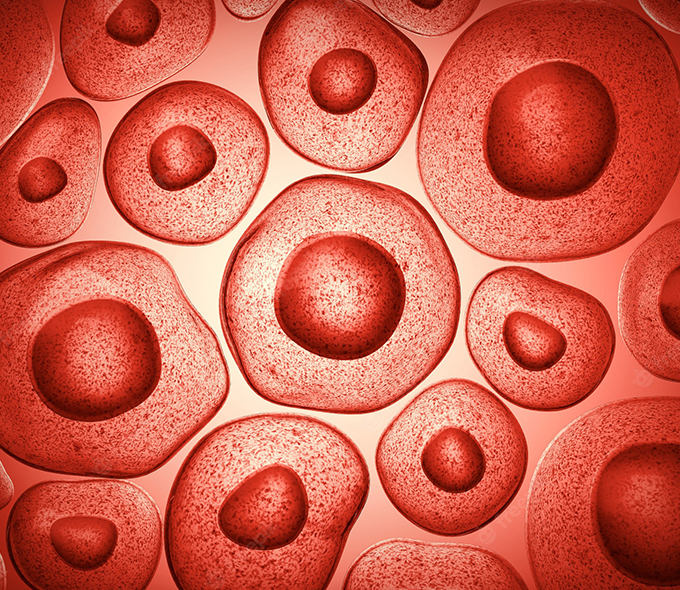
Stem cell structure visualisation

What a stem cell is

The word stem comes from the idea of origin — the stem from which everything else grows. Because a stem cell carries multipotency, it can regenerate cells in an injured area of the body.

Stem cells have emerged as a new alternative for degenerative conditions and severe trauma where conventional medicine has few options, and they attract particular attention as an approach to diseases where organ function has declined.

Medicine that regenerates damaged organs or tissue through stem cells is known collectively as regenerative medicine, and it is widely regarded as one of the growth engines of future healthcare.

Types of stem cell

01

Embryonic stem cell

EMBRYO STEM CELL

  • Derived from a fertilised egg, with the unlimited capacity to differentiate into every cell type.
  • Researched for regenerating tissue damaged by injury or disease by differentiating into the required tissue.
  • Because a fertilised egg is used, research faces ethical constraints.

02

Adult stem cell

ADULT STEM CELL

  • Present in organs throughout the body, acting to regenerate tissue when the body is damaged.
  • Typical examples include haematopoietic stem cells and mesenchymal stromal cells found in bone marrow and umbilical cord.
  • Differentiation direction is largely fixed, but the cells are considered relatively safe and are used in many clinical trials.
03

Induced pluripotent stem cell

IPS CELL

  • Adult cells such as skin or blood are reprogrammed backwards into an undifferentiated state with pluripotency close to embryonic stem cells.
  • No donor egg is required, so the ethical issues are avoided while genetic matching with the patient is retained.
  • The reprogramming technique was recognised with the 2012 Nobel Prize in Medicine.

Comparison at a glance

01

Embryonic

  • Method: somatic nucleus injected into an egg, cultured after becoming an embryo
  • Strength: can differentiate into all cells
  • Limitation: bioethical debate over embryo destruction
02

Adult

  • Method: extracted from a specific organ
  • Strength: no bioethical issue
  • Limitation: differentiates only into specific tissue
03

Induced pluripotent

  • Method: reprogramming DNA introduced into somatic cells
  • Strength: all-cell differentiation without ethical issue
  • Limitation: risk profile and low efficiency

Ask about our stem cell research

Our specialists will walk you through the process, timelines and what to prepare.